Compressed air powers countless industrial processes, from manufacturing lines to medical equipment. The quality of this air significantly impacts equipment performance, energy efficiency, and product quality. Air preparation—the process of treating compressed air to meet specific requirements—forms the foundation of reliable pneumatic systems. This examination focuses on three critical aspects of air preparation: pressure regulation, dew point control, and filtration.
Understanding Pressure in Air Systems
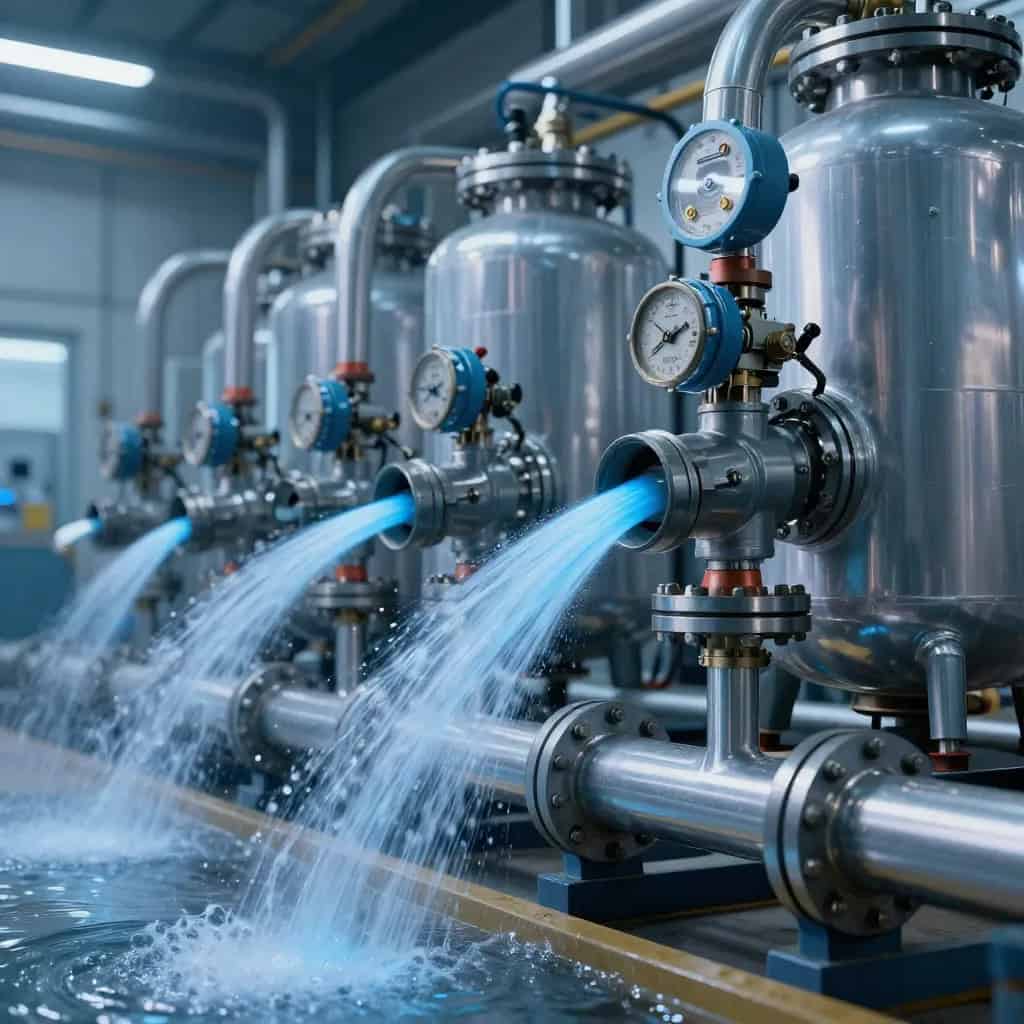
Pressure regulation forms the first line of defense in air preparation systems. Compressed air exits the compressor at elevated pressures, typically between 100 and 125 psi. Most pneumatic equipment operates effectively at lower pressures, usually between 60 and 80 psi. Maintaining consistent pressure prevents component stress, reduces energy consumption, and ensures predictable actuator movement.
Pressure regulators adjust downstream pressure to appropriate levels. These devices utilize spring-loaded diaphragms or pistons to balance inlet and outlet pressures. The regulator's capacity must match the system's flow requirements to avoid pressure fluctuations during peak demand cycles. Regular maintenance prevents drift and ensures accurate pressure control.
Pressure differentials across filters and dryers create additional system considerations. Each component introduces pressure drop, typically measured in psi. System designers must account for these losses to maintain adequate operating pressure at the point of use. Pressure drop monitoring provides early warning of clogged filters or malfunctioning equipment.
Dew Point and Moisture Control
Water vapor in compressed air presents one of the most significant challenges to pneumatic system reliability. As air compresses, its temperature rises dramatically. Upon cooling in the distribution system, this moisture reaches saturation and condenses, causing equipment damage, corrosion, and product contamination.
Dew point—the temperature at which moisture begins to condense—serves as the critical measure for air dryness. Pressure dew point, measured at system pressure, provides the most relevant metric for compressed air systems. Typical industrial applications require pressure dew points ranging from 35°F to 40°F, while critical processes may demand dew points as low as -40°F.
Refrigerated dryers cool compressed air to condense moisture. These systems typically achieve pressure dew points between 35°F and 50°F. For lower dew points, desiccant dryers employ adsorption media to capture water molecules. Heatless desiccant dryers use a portion of dried air to regenerate the desiccant bed, while heated dryers apply external heat for regeneration.
Membrane dryers remove water vapor through selective permeation. These compact systems achieve moderate dew points without moving parts, making them suitable for point-of-use applications. Proper sizing considers inlet temperature, humidity, and flow rates to ensure effective moisture removal.
Filtration Methods and Technologies
Contaminants in compressed air include particulates, oil aerosols, oil vapor, and gaseous contaminants. Filtration systems employ multiple stages to address these various threats. The filtration strategy must align with the specific requirements of the end-use equipment.
Particulate filters remove solid contaminants through mechanical means. Depth filters capture particles throughout their media structure, while membrane filters provide absolute ratings by blocking particles larger than their pore size. Filter efficiency ratings—ISO 8573-1—specify performance for particulates, oil, and water across different quality classes.
Coalescing filters combine particulate filtration with oil removal. These filters cause fine oil aerosols to merge into larger droplets that drain from the system. Multi-stage filtration combines particulate pre-filters with coalescing elements to maximize oil removal efficiency.
Activated carbon filters adsorb oil vapor and gaseous contaminants. These filters operate downstream of coalescing filters to capture oil mists that penetrate primary filtration. Specialized filters address specific contaminants such as vapor phase hydrocarbons, odors, or bacteria in critical applications.
Integration and System Design
Effective air preparation integrates pressure regulation, moisture control, and filtration into a cohesive system. The sequence of components matters—filters typically precede regulators to prevent contamination of control mechanisms. Dryers placement depends on system requirements, with central drying serving multiple points of use and point-of-use drying addressing specific needs.
System design must account for air quality requirements at different points. A single quality level for the entire system wastes energy and increases costs. Strategic filtration placement ensures adequate air quality where needed without over-engineering the system.
Energy efficiency represents a critical consideration in air preparation design. Pressure drop across components increases compressor power consumption. Regular maintenance minimizes pressure losses while extending component life. Heat recovery systems capture thermal energy from compressed air for space heating or process water preheating.
Conclusion
Proper air preparation balances pressure regulation, dew point control, and filtration to meet specific application requirements. System designers must understand the interrelationships between these elements to develop efficient, reliable solutions. Regular maintenance ensures consistent performance while extending equipment life. As industries increasingly recognize the impact of air quality on productivity and energy consumption, sophisticated air preparation systems will continue to evolve to meet these challenges.