Electric vehicles (EVs) represent a significant shift in transportation technology, but their lithium-ion battery packs present unique safety challenges. Battery thermal events, while rare, can lead to dangerous conditions if proper venting and pressure management systems aren't in place. This article explores the critical systems designed to protect EV occupants and first responders when batteries experience thermal runaway. Understanding these mechanisms provides insight into how manufacturers balance energy density with safety considerations in modern EV design.
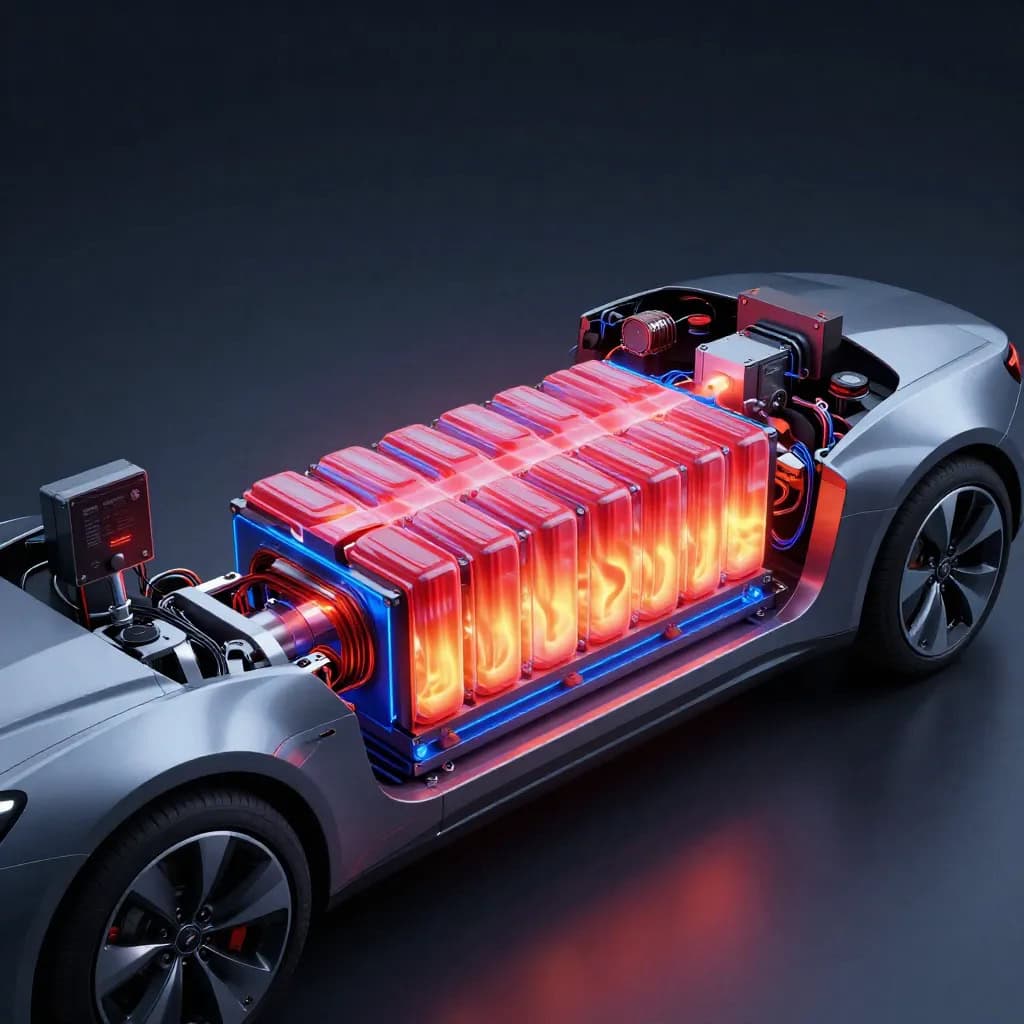
Battery Chemistry and Thermal Runaway
Lithium-ion batteries store energy through chemical reactions between their cathode, anode, and electrolyte. Under normal conditions, these reactions are carefully controlled. However, when a battery cell is damaged, overheated, or defective, it can enter a state called thermal runaway. During thermal runaway, the battery temperature rises rapidly, causing the electrolyte to break down and release flammable gases. The National Fire Protection Association reports that thermal runaway temperatures can reach 800°C, far exceeding the battery's operating limits. This extreme temperature creates a cascade effect where one failing cell can trigger neighboring cells, potentially leading to complete battery pack failure if not contained.
Gas Generation Scenarios
The chemical decomposition within a failing battery cell produces several gases. Research from the University of Michigan's Transportation Research Institute identifies hydrogen, carbon monoxide, methane, and other hydrocarbons as common byproducts. These gases create pressure within the sealed battery pack, which can lead to catastrophic failure if not properly managed. Gas generation rates vary depending on the battery chemistry, state of charge, and the nature of the triggering event. Nickel-manganese-cobalt (NMC) batteries, commonly used in EVs, tend to produce different gas compositions than lithium iron phosphate (LFP) batteries, influencing vent system design approaches. Battery management systems continuously monitor voltage, temperature, and current to detect anomalies that might precede gas generation.
Vent Design and Mechanisms
Manufacturers incorporate sophisticated vent systems to handle pressure buildup during thermal events. Tesla, for example, uses pressure relief valves that open at specific thresholds to direct gases away from cabin occupants. The vents typically feature flame-retardant materials and channel designs that cool gases as they escape. Some manufacturers employ dual-stage venting, with initial vents for moderate pressure and additional vents that activate during severe thermal events. Ford's Mustang Mach-E incorporates vents that route potentially dangerous gases downward, away from occupants and first responders. The placement and orientation of vents represent critical design decisions that balance safety with packaging constraints within the vehicle architecture.
Pressure Management Systems
Beyond passive venting, advanced EVs include active pressure management systems. These systems monitor battery pack pressure in real-time and can isolate affected sections of the battery pack to contain thermal events. The Hyundai Ioniq 5, for instance, incorporates a system that detects pressure changes and can disconnect battery modules to prevent propagation of thermal runaway. BMW's battery management systems include pressure sensors that alert drivers to potential issues before they become critical. Some manufacturers are experimenting with phase change materials within battery packs that absorb heat during thermal events, complementing venting systems by slowing temperature rise and reducing gas generation rates.
Industry Standards and Testing
The automotive industry has developed rigorous testing protocols to evaluate battery safety. The UN Regulation 100.3 specifies requirements for electric vehicle battery safety, including thermal runaway resistance and venting effectiveness. Manufacturers conduct nail penetration tests, overcharging tests, and high-temperature exposure tests to validate their battery pack designs. The Insurance Institute for Highway Safety (IIHS) has begun incorporating battery safety into their EV evaluation protocols, recognizing its importance to overall vehicle safety. These tests often involve multiple cycles to simulate real-world scenarios where a vehicle might experience partial battery damage followed by continued operation or parking.
Conclusion
Battery pack venting and pressure management represent critical safety features in electric vehicles. As EV adoption grows, manufacturers continue to refine these systems, balancing safety requirements with vehicle design constraints. While thermal events in lithium-ion batteries remain rare, the robust engineering behind vent systems provides crucial protection when failures occur. Ongoing research in battery chemistry and thermal management promises to further enhance EV safety in the coming years. Understanding these systems helps consumers make informed decisions about EV safety and provides context for emergency response protocols when incidents do occur.