When disaster strikes, every second counts. The difference between swift recovery and prolonged devastation often hinges on how well we coordinate our response efforts across time and agencies. Disaster response timelines represent the intricate dance of preparedness, immediate action, and long-term recovery that unfolds when communities face crises of natural or human origin.
The Golden Hours
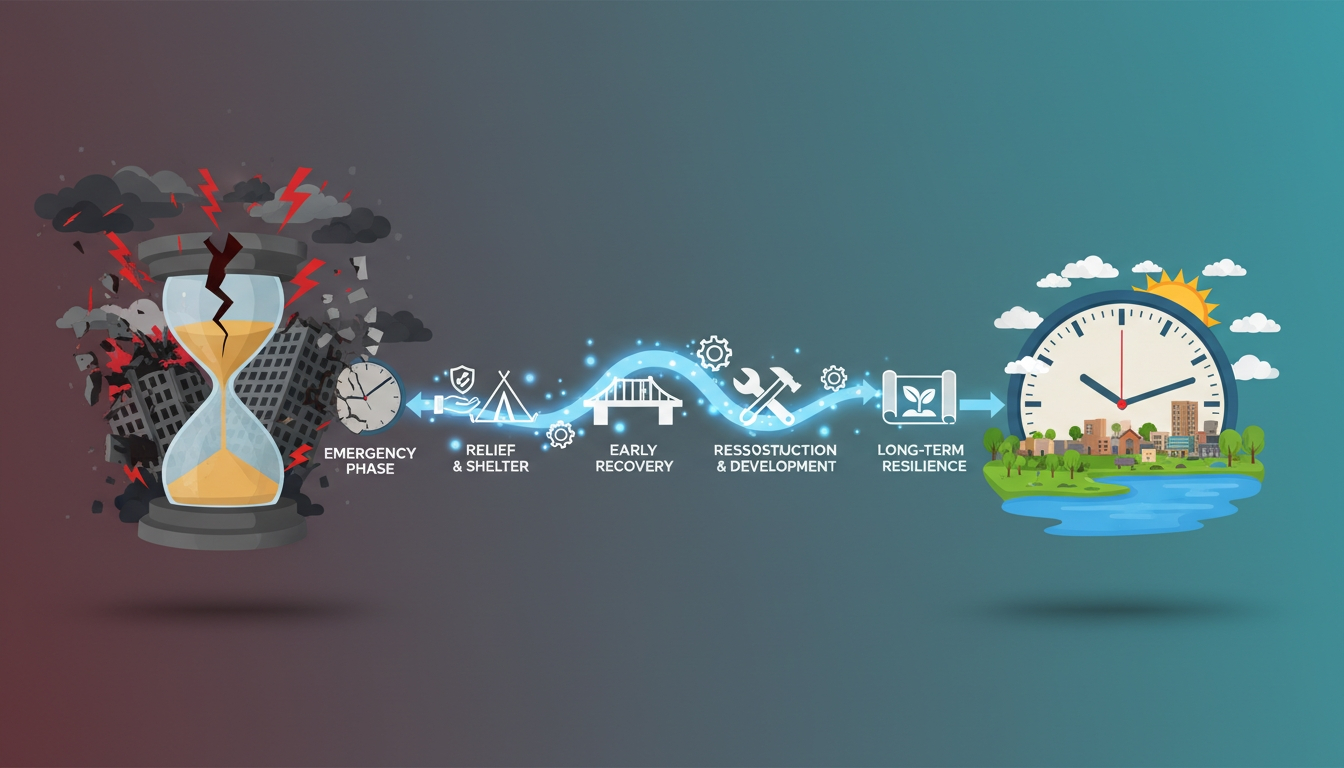
The immediate aftermath of a disaster is often called the "golden hours"—the critical window when lives can be saved and damage can be minimized. During this period, typically the first 72 hours, emergency services work at maximum capacity to locate survivors, establish medical triage, and secure basic infrastructure. Historical examples show us that communities with well-rehearsed protocols during these hours consistently report better outcomes. The 2010 Haiti earthquake response underscored both the importance of this timeframe and the consequences when coordination breaks down.
Mobilizing Resources
Following the initial emergency phase, the focus shifts to resource mobilization. This involves deploying medical teams, establishing temporary shelters, and distributing essential supplies like water, food, and medicine. The timeline here is dictated by logistical challenges—transport routes may be damaged, communication systems disrupted, and overwhelmed local infrastructure unable to accommodate the influx of aid. The 2004 Indian Ocean tsunami revealed how even well-intentioned relief efforts can falter without proper coordination of when and where resources arrive.
The Recovery Phase
Within weeks to months after a disaster, attention turns to recovery operations. This phase includes rebuilding infrastructure, restoring essential services, and implementing economic revitalization strategies. The timeline for recovery varies dramatically depending on the scale of the disaster and available resources. Hurricane Katrina's recovery, for instance, spanned over a decade in some communities, while smaller disasters may see significant recovery within months. Effective recovery planning begins before disaster strikes, with pre-established frameworks that can be activated immediately.
Lessons from History
Disaster response timelines have evolved significantly over the past century. The 1906 San Francisco earthquake led to the establishment of formalized response protocols, while Hurricane Andrew in 1992 prompted major reforms in emergency management systems. More recently, the COVID-19 pandemic has demonstrated the importance of flexible, adaptable response timelines that can account for prolonged crises with shifting needs. Each disaster provides valuable lessons that refine our understanding of optimal response pacing.
Technology's Impact
Modern technology has revolutionized disaster response timelines. Satellite imagery now allows rapid assessment of damage, social media enables real-time communication of needs, and predictive modeling helps anticipate resource requirements. These tools compress traditional response timelines, allowing for faster intervention and more efficient allocation of resources. However, technology also introduces new challenges, including the digital divide and the risk of information overload during crises.
Looking Ahead
As climate change intensifies and extreme weather events become more frequent, our approach to disaster response timelines must continue to evolve. Future success will depend on developing more resilient infrastructure, strengthening cross-agency coordination, and investing in community-based preparedness. The most effective response timelines are those that blend top-down official action with grassroots community knowledge, creating a comprehensive approach that honors both science and local wisdom.
Disaster response remains one of humanity's most complex collective challenges. By studying and refining our approach to these critical timelines, we not only save lives in the immediate moment but also build stronger, more capable communities for whatever challenges the future may bring.