In the ever-evolving world of digital printing, understanding color workflows is paramount for achieving consistent, high-quality results. Two prominent printing methods, Direct-to-Garment (DTG) and Dye-Sublimation (Dye-Sub), each have their unique characteristics and color management requirements. This article delves into the intricacies of these two popular printing techniques, exploring how profiles, pretreatment, and substrate effects influence the final output. Whether you're a seasoned professional or just starting your journey in digital printing, mastering these color workflows will elevate your work to new heights.
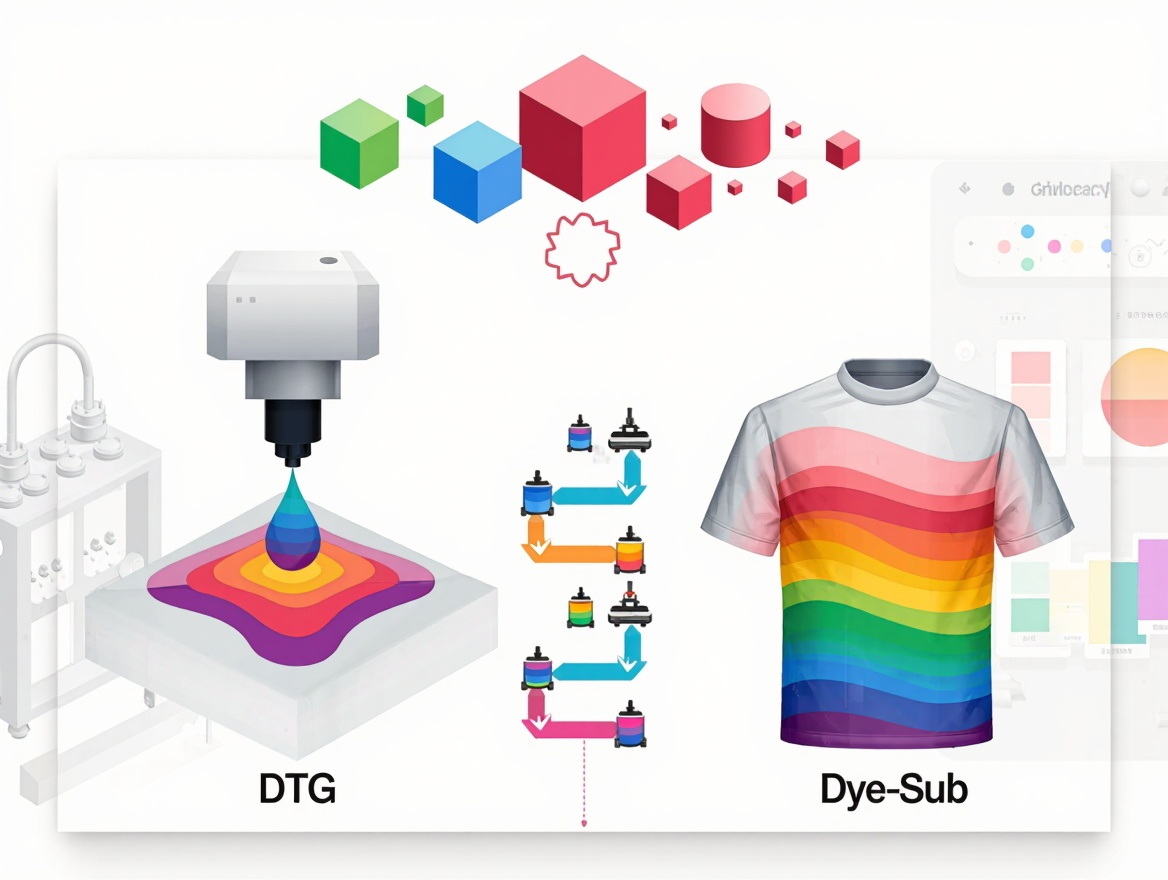
Understanding DTG Color Workflows
Direct-to-Garment printing involves applying ink directly onto textiles using specialized inkjet technology. Unlike traditional screen printing, DTG doesn't require screens or extensive setup, making it ideal for short runs and complex designs. However, achieving accurate color reproduction with DTG requires a nuanced understanding of several factors.
Color profiles for DTG are essential for translating digital designs into print-ready formats. Unlike standard RGB or CMYK profiles, DTG profiles are specifically calibrated for textile inks and their interactions with various fabric types. These profiles account for factors like ink absorption, fabric texture, and how colors appear after curing. Without proper profiling, even the most vibrant digital design can appear dull or inaccurate when printed.
Pretreatment is another critical component of the DTG workflow. A liquid solution applied to garments before printing, pretreatment serves multiple purposes: it creates a receptive surface for the ink, prevents color bleeding, and enhances wash durability. The type and amount of pretreatment can significantly impact color vibrancy, with over-application potentially causing cracking and under-application leading to poor adhesion. Finding the right balance is key to achieving optimal results.
The substrate itself plays a crucial role in DTG color reproduction. Different fabrics—cotton, polyester blends, performance wear—each interact with ink in unique ways. Cotton, for example, readily absorbs ink but may appear less vibrant than synthetic substrates. Meanwhile, dark garments require white ink underbases, which can affect the final appearance of colors, particularly lighter tones.
Dye-Sublimation Color Fundamentals
Dye-Sublimation works on an entirely different principle than DTG. In this process, heat and pressure transform solid dye into a gas, which then bonds with polymer-coated substrates. Unlike DTG, which sits on top of the fabric, dye-sub becomes part of the substrate itself, resulting in a soft, breathable print that won't crack or peel.
Color profiles for dye-sublimation are equally specialized but focus on the unique characteristics of sublimation dyes and their reaction to heat. These profiles must account for dye migration, the gaseous state of the ink during transfer, and how different polymer coatings affect color reproduction. Unlike DTG, which can handle various natural fibers, dye-sublimation requires specific substrates with polymer coatings to achieve optimal results.
Temperature and pressure settings form the backbone of successful dye-sublimation workflows. The precise combination of these factors determines how effectively the dye converts to gas and bonds with the substrate. Too little heat or pressure results in incomplete transfer, while excessive conditions can cause colors to oversaturate or distort. Finding the optimal settings often involves careful calibration and testing with specific substrates and ink combinations.
Substrate selection in dye-sublimation is more restrictive than in DTG. Fabrics must have a polymer coating—typically polyester or a polyester blend—to properly bond with the sublimation dyes. Additionally, lighter-colored substrates generally produce more vibrant results, as the dyes are transparent and rely on the substrate's color as a base. This limitation contrasts sharply with DTG's versatility across various fabric types and colors.
Comparing DTG and Dye-Sub Color Management
While both DTG and dye-sublimation involve digital printing, their approaches to color management differ significantly. DTG requires a more comprehensive understanding of fabric types and pretreatment protocols, while dye-sublimation focuses on polymer chemistry and heat transfer dynamics.
Color reproduction in DTG tends to be more versatile across different substrates but requires careful calibration for each fabric type. Dye-sublimation, while more substrate-restricted, often produces more vibrant colors on compatible materials due to the dye becoming part of the substrate rather than sitting on top.
When choosing between these methods, consider factors like the intended use of the final product, fabric preferences, and desired durability. DTG excels on natural fibers and offers greater versatility in garment options, while dye-sublimation provides superior wash durability and breathability on polyester materials.
Advanced Color Techniques for Both Processes
Mastering advanced color techniques can elevate your printing capabilities regardless of which method you employ. Color separation—the process of breaking down a design into individual color channels—is crucial for both DTG and dye-sublimation. In DTG, this often involves creating white underbases for dark garments, while in dye-sublimation, it may require adjusting colors to account for substrate transparency.
Spot color matching is another valuable skill. Both processes can benefit from custom color calibration to match specific brand colors or achieve particular effects. This typically involves creating custom ICC profiles or manually adjusting color values in your design software.
Gradient and color blending present unique challenges in both workflows. DTG struggles with heavy gradients on dark garments due to the white ink underbase, while dye-sublimation can achieve smooth gradients but requires careful attention to color values to avoid banding. Understanding these limitations allows for more effective design decisions and better final results.
Troubleshooting Color Issues
Even experienced printers encounter color challenges from time to time. Common DTG issues include color bleeding on untreated garments, inconsistent curing affecting color vibrancy, and white ink contamination altering color values. Regular maintenance of printers, proper pretreatment application, and careful color profiling can mitigate many of these problems.
Dye-sublimation challenges often manifest as incomplete transfers, color shifts due to temperature variations, or substrate incompatibility issues. Maintaining consistent pressure and temperature settings, using high-quality transfer paper, and ensuring proper substrate preparation can resolve many of these concerns.
Calibration and quality control are essential for both processes. Regular printer maintenance, color calibration tests, and visual inspections of output help maintain consistency across production runs. Documenting settings and outcomes for different substrates and designs creates a valuable reference for future projects.
Conclusion
DTG and dye-sublimation each offer unique advantages and challenges in color reproduction. By understanding how profiles, pretreatment, and substrate interactions affect the final output, printers can make informed decisions about which method best suits their needs. As digital printing technology continues to evolve, so too will the tools and techniques for managing color workflows. Whether you're creating custom apparel, promotional products, or specialized textiles, mastering these color management principles will ensure your work stands out for its vibrancy, accuracy, and professional quality.