Time slips through our fingers like sand, yet a successful blog thrives on structure. For a blog dedicated to the intricacies of time—be it its scientific, historical, or cultural dimensions—crafting a strategic editorial calendar isn't just helpful; it's essential. Without one, your content risks feeling scattered, losing the thread that ties timeless questions to timely conversations. Think of your calendar as the conductor's score for a symphony of ideas: each piece must resonate with the next, creating harmony rather than noise.
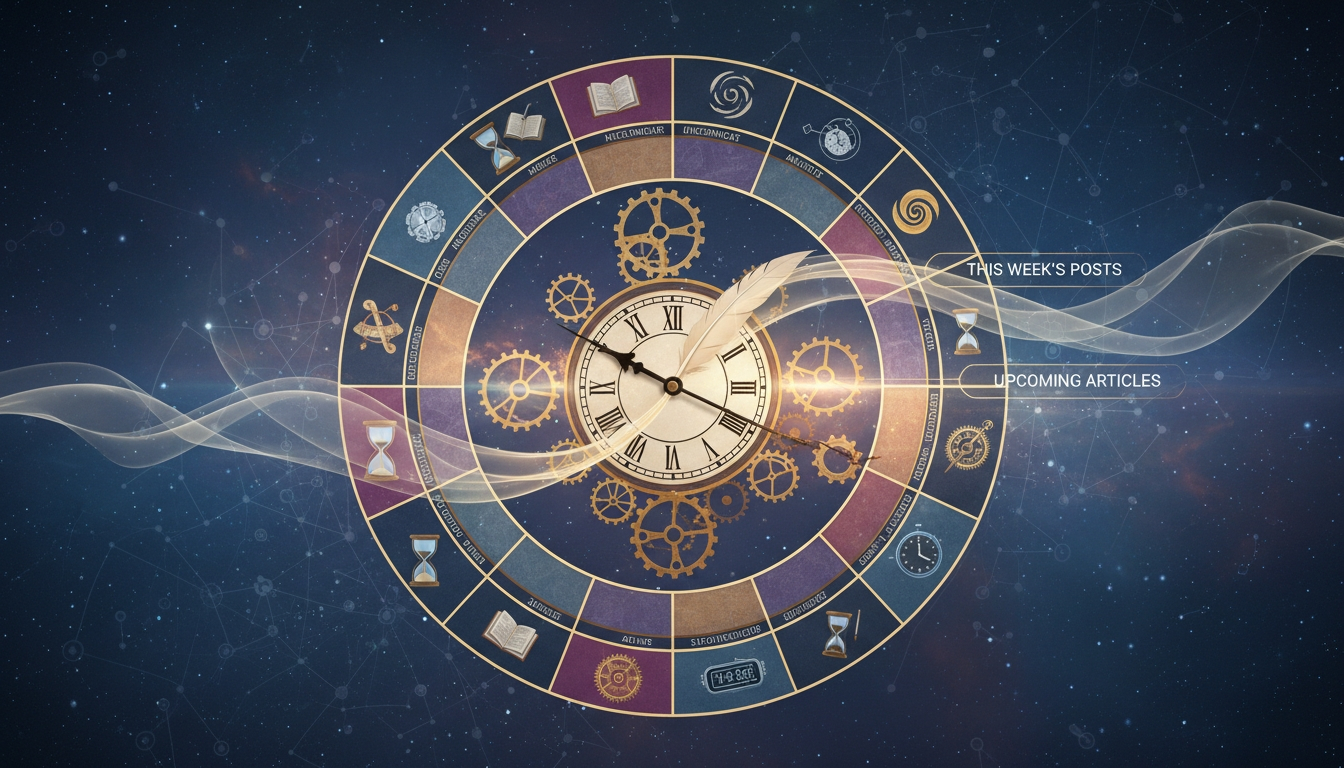
This isn't about rigid scheduling alone. It's about aligning your content with the rhythms of the year—holidays, historical anniversaries, scientific breakthroughs—and weaving them into a narrative that keeps readers hooked. Below, we'll explore how to design a calendar that transforms abstract concepts of time into compelling storytelling opportunities.
Audience First: Mapping the Human Connection
Before setting deadlines, ask: Who visits my blog? Are they history buffs dissecting chronology, scientists probing relativity, or casual readers pondering procrastination? Your audience dictates your tone, depth, and timing. For instance, a piece on the Mayan calendar's accuracy might thrive in December 2024 as the world buzzed with 2012 prophecies, but delay it, and relevance fades.
Segment your audience further. Do they engage more with practical tips (e.g., time management hacks) or philosophical musings (e.g., the arrow of time)? Seasonal preferences matter too. Summer readers might crave light content on vacation planning, while winter audiences may seek introspective pieces on legacy and reflection.
Seasonal Storytelling: Turning Calendars into Catalysts
Seasons are natural narrative arcs. Winter solstice invites reflections on light and darkness; spring offers themes of rebirth and productivity. Tie your posts to these cycles. For example:
- Spring: "The Science of Rebirth: How Seasons Shape Human Rhythms" (linking circadian biology to cultural festivals).
- Summer: "Vanishing Moments: Why Summer Vacation Shortens Our Perception of Time" (a mix of psychology and travel tips).
- Autumn: "The Fallacy of Fall: Why We Misjudge Time's Pace" (exploring cognitive biases tied to seasonal transitions).
Even holidays can inspire content. Independence Day isn't just fireworks—it's a lens to discuss the history of timekeeping in revolutions. Christmas could explore how ancient civilizations measured solstices, blending tradition with trivia.
Historical Anchors: Weaving the Past into the Present
History is your anchor. Mark anniversaries of pivotal events—like Einstein's 2025 centenary on general relativity—or milestones in timekeeping technology. A 2025 post titled "From Sundials to Atomic Clocks: How Humanity Cracked the Code" could debut in March, coinciding with the equinox (a nod to ancient time measurement).
But don't stop at dates. Dive into lesser-known stories. In 2024, the 50th anniversary of the moon landing offers a chance to examine how lunar cycles influenced ancient calendars. Pair this with a guest post from an astrophysicist or a podcast episode featuring oral histories from NASA engineers.
Evergreen Pillars: Building Timeless Value
While seasonal content rides the wave of relevance, evergreen pieces are your foundation. These are perpetual topics—"Why Do We Procrastinate?" or "The Psychology of Boredom"—that retain search engine value and reader interest year-round. Schedule them strategically: release a guide on "Time Blocking 101" in January (New Year's resolutions) and revisit it in September (back-to-school productivity).
These pillars also allow flexibility. Swap in a timely example—e.g., replace a generic productivity tip with one about managing climate anxiety in a post published during Earth Day.
Trendspotting: Riding the Currents of Culture
Trends are your canary in the coal mine. When Oppenheimer drops in 2023, explore the intersection of cinema and time perception; when quantum computing surges, dissect its implications for temporal measurement. Tools like Google Trends or Twitter chats can alert you to viral conversations. For instance, if "future shock" trends after a tech conference, pivot a post on generational time perception.
Collaborate with influencers. Partner with a historian for a thread on ancient timekeeping tools during an Instagram Live, or host a Reddit AMA with a physicist on quantum time.
Flexibility and Feedback: Your Calendar's Lifeline
No plan survives first contact with reality. Your calendar should be a living document. Monitor engagement metrics: Are readers sharing your summer posts more? Adjust future content accordingly. After a viral post on time dilation, create a series exploring relativity in pop culture.
In conclusion, an editorial calendar for a time blog is both a roadmap and a playground. It grounds your content in structure while leaving room for serendipity. By marrying historical gravitas with seasonal flair and evergreen wisdom, you'll not only capture attention but also etch your name into the chronicles of digital storytelling.