In the world of digital imaging and color management, gamut mapping is a crucial yet often misunderstood concept. Whether you're a photographer preparing images for print, a designer working across different devices, or a scientist analyzing color data, understanding gamut mapping strategies can make the difference between preserving the vibrancy of your work or ending up with dull, inaccurate colors.
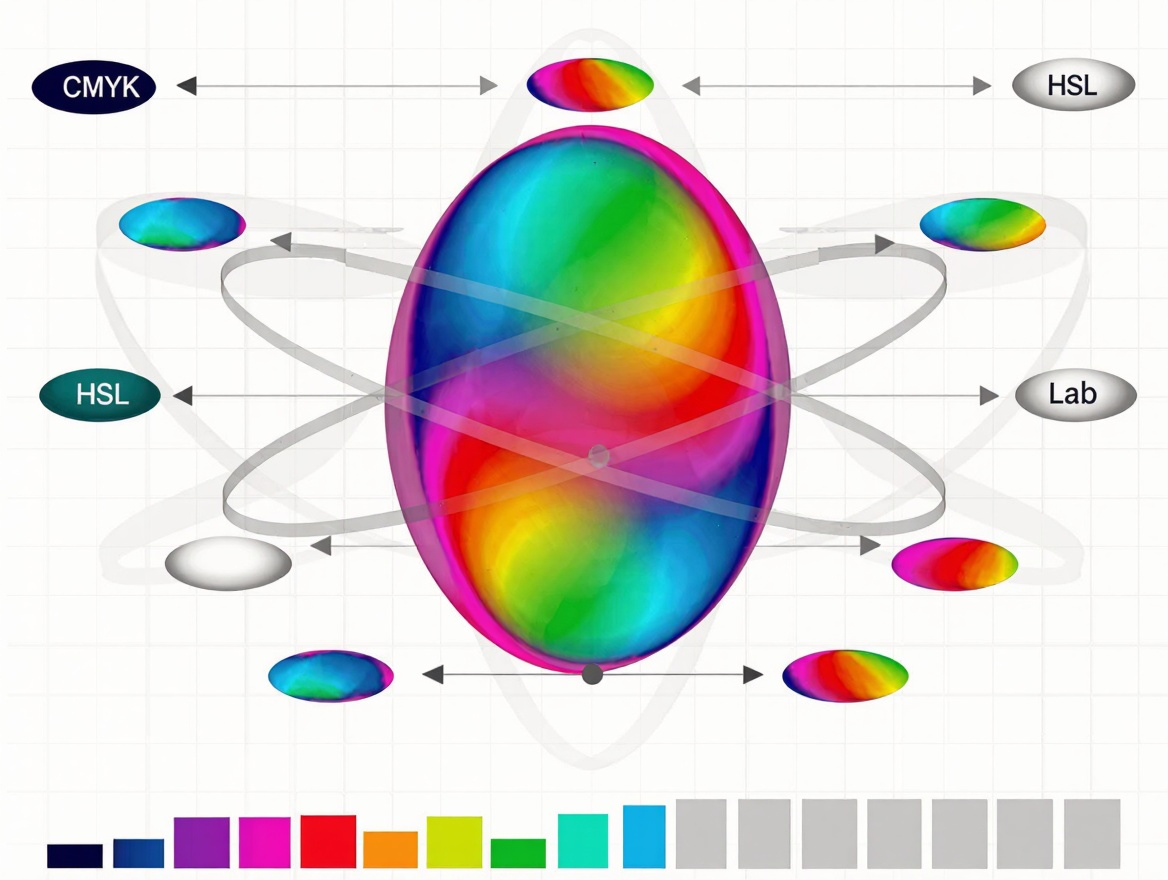
Understanding Color Gamuts
A color gamut represents the complete range of colors that a particular device—whether a monitor, printer, or display—can reproduce. Different devices have different gamuts based on their technology and color capabilities. For instance, your smartphone's sRGB display has a smaller gamut than a professional monitor that supports Adobe RGB or even larger wide-gamut formats like ProPhoto RGB.
The human eye can perceive millions of colors, but most digital devices can only reproduce a fraction of them. This limitation becomes problematic when trying to transfer images between devices with different gamut capabilities. When a device encounters a color outside its gamut, it must decide how to represent that color—a process known as gamut mapping.
The Challenge of Gamut Mapping
Gamut mapping occurs when colors in an original image fall outside the range that a target device can reproduce. The challenge is to map these out-of-gamut colors to the nearest possible colors within the target gamut while preserving the visual intent and aesthetic quality of the original image.
Poor gamut mapping can result in several issues: loss of color saturation, shifts in hue, clipping of highlights or shadows, and overall dulling of the image. For example, a vibrant sunset captured in ProPhoto RGB might appear significantly less impressive when viewed on an sRGB display if not properly mapped.
The art of gamut mapping lies in making these transitions as invisible as possible to the human eye. A well-executed gamut strategy ensures that important colors remain visually accurate, even if technically outside the target device's capabilities.
Gamut Mapping Algorithms
Different gamut mapping algorithms employ various strategies to handle out-of-gamut colors. The three primary approaches are:
Perceptual mapping aims to preserve the overall visual appearance of the image, even if it means compressing the entire color range to fit the target gamut. This approach is particularly useful for photographs where maintaining the relative relationships between colors is more important than absolute color accuracy.
Saturative mapping prioritizes preserving saturated colors at the expense of color relationships. This method is useful when the image contains specific, important colors that need to remain vivid, such as brand colors or specific artistic elements.
Relative colorimetric mapping preserves in-gamut colors exactly as they are while mapping out-of-gamut colors to the nearest reproducible equivalents. This approach maintains color relationships but can result in clipping or compression of the overall color range.
Modern color management systems often use hybrid approaches, combining elements of these strategies to optimize for specific use cases.
Practical Applications
In photography, gamut mapping becomes critical when preparing images for different outputs. A landscape photographer might shoot in ProPhoto RGB to capture the widest possible range of colors, but when sharing on social media, must map these colors to sRGB.
For print work, gamut mapping takes on additional complexity. Different printing technologies—CMYK, inkjet, offset—each have their own color gamuts that differ from display technologies. A designer working on a brand identity must ensure that the company's logo colors appear consistently across print materials, digital displays, and merchandise.
Scientific imaging applications also rely on sophisticated gamut mapping. Medical imaging, for example, requires precise color reproduction to ensure accurate diagnosis, while astronomical imaging might prioritize preserving subtle color variations in distant galaxies.
Best Practices for Gamut Mapping
When working with gamut mapping, consider these best practices:
First, always work in the largest possible color space during editing. This preserves the maximum amount of color information before any mapping occurs.
Second, use soft-proofing tools in your editing software to preview how colors will map to different output devices before finalizing your work.
Third, understand your target audience and devices. If most viewers will be using sRGB displays, there's little benefit to working in and delivering an image in a larger color space.
Finally, consider the content of your image. For photographs with natural scenes, perceptual mapping often works best. For graphics with specific brand colors, saturative mapping might be more appropriate.
Conclusion
Gamut mapping strategies represent the bridge between the ideal world of infinite color and the practical limitations of digital devices. By understanding different mapping approaches and their applications, creators can ensure their work maintains its intended impact regardless of where it's viewed.
As display technology continues to advance with wider gamuts and higher bit depths, the challenges of gamut mapping will evolve. Yet the fundamental principles—preserving visual intent, maintaining color relationships, and ensuring consistency across devices—will remain essential considerations for anyone working with digital color.