In the intricate world of digital typography, hinting remains a crucial process that ensures fonts render beautifully across various displays. As technology evolves, so too do the methodologies we employ to optimize text readability. Today's designers and developers navigate between traditional manual hinting and modern automated solutions, each offering distinct advantages in our quest for typographic excellence.
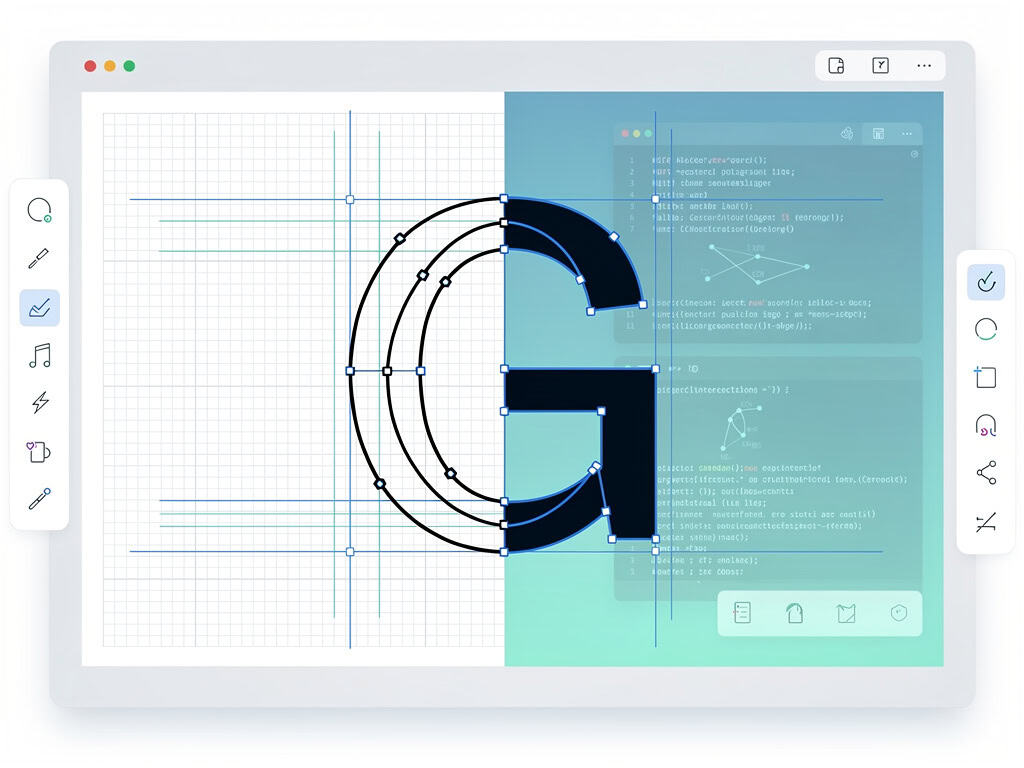
Manual Hinting: The Artisan's Touch
Manual hinting represents the pinnacle of typographic craftsmanship. This meticulous process involves a skilled designer manually adjusting each glyph's hinting instructions to optimize its appearance at different sizes. Like a watchmaker fine-tuning a delicate mechanism, the manual hinting specialist works pixel by pixel, ensuring that characters maintain their integrity across resolutions.
The value of manual hinting lies in its precision and customization. Particularly for display typefaces and complex scripts, the human eye can discern subtle issues that algorithms might miss. However, this approach demands significant time investment and expertise, making it a luxury that many projects cannot afford.
Autohinting: Efficiency Meets Innovation
Enter autohinting, the technological response to the demands of our fast-paced digital landscape. Modern autohinting algorithms analyze font structures and automatically generate hinting instructions, dramatically reducing production timelines.
Contemporary autohinting tools have evolved tremendously, offering increasingly sophisticated interpretations of letterforms. These systems can recognize patterns, predict problematic areas, and apply consistent optimizations across entire font families. While historically criticized for lacking nuance, today's autohinting has narrowed the gap with manual approaches, often achieving results that satisfy even discerning typographers.
Quality Assurance in Hinting Workflows
Regardless of the hinting method, rigorous quality assurance remains non-negotiable. Effective QA involves testing fonts across multiple operating systems, browsers, and devices. This process reveals how hinting decisions impact real-world readability, allowing teams to refine their approach.
Modern QA workflows often employ both automated testing tools and human evaluation. Software can highlight technical inconsistencies, while human testers assess aesthetic and functional qualities. This dual approach ensures that hinting serves both the technical requirements and the design vision.
Finding the Right Balance
The contemporary typographer navigates between manual and automated approaches, often employing hybrid methodologies. Many successful projects begin with autohinting, then apply manual tweaks to critical characters or sizes. Others might manually hint headline sizes while relying on automation for text sizes.
This balanced approach acknowledges that different contexts demand different solutions. Display typography may benefit from careful manual attention, while extensive body text might achieve excellent results through sophisticated autohinting. Understanding when to apply each technique represents the modern professional's essential skill.
Conclusion
As we continue our digital journey, hinting workflows remain a vital component of typographic excellence. The conversation has shifted from "manual versus auto" to "how to effectively integrate both." The most successful contemporary practices recognize that technology and craftsmanship serve complementary roles in creating beautiful, readable type for our diverse digital landscape.