Catheter pressure transducers form the backbone of hemodynamic monitoring in modern healthcare settings. These devices convert mechanical pressure into electrical signals, providing clinicians with real-time data about a patient's cardiovascular status. Since their introduction in the mid-20th century, pressure transducers have evolved from cumbersome mechanical devices to sophisticated electronic systems, yet the fundamental principles of accurate measurement remain unchanged.
The clinical applications span multiple specialties: intensive care units, operating rooms, cardiac catheterization laboratories, and emergency departments all rely on these measurements for critical decision-making. Proper understanding of transducer function and zeroing techniques ensures the accuracy of readings that directly impact patient care.
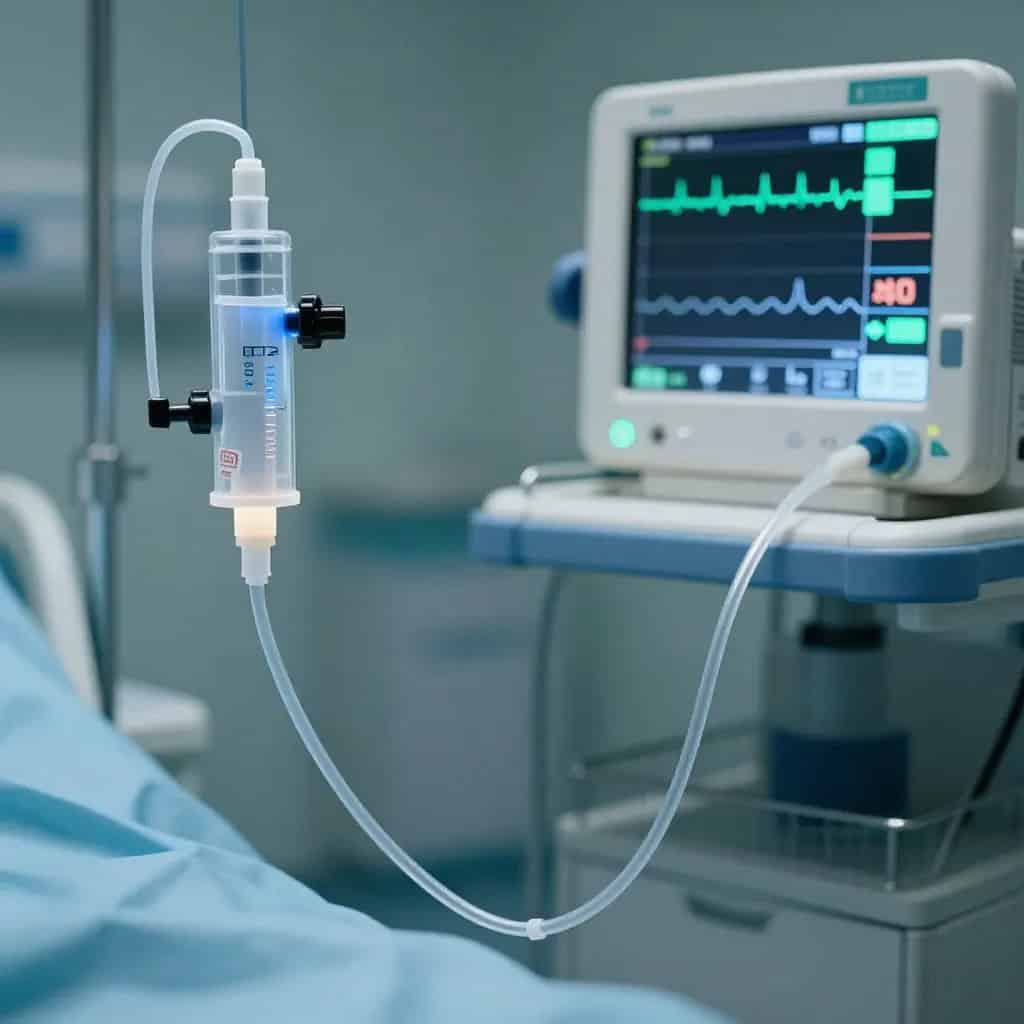
The Science Behind Pressure Measurement
At its core, a catheter pressure transducer consists of a flexible diaphragm connected to a Wheatstone bridge circuit. When pressure is applied to the diaphragm, it deforms, changing the electrical resistance in the bridge circuit. This change generates a voltage proportional to the applied pressure, which is then processed and displayed on monitoring equipment.
The fluid-filled connecting system between the patient and the transducer plays a crucial role in measurement accuracy. These systems introduce their own dynamic characteristics, including compliance and inertia. The natural frequency and damping coefficient of the entire system determine how accurately it can reproduce rapid pressure changes, such as those seen in pulsatile arterial waveforms.
Understanding Zeroing: What It Is and Why It Matters
Zeroing establishes the baseline reference point for pressure measurements by equating atmospheric pressure to zero on the monitoring system. This calibration ensures that subsequent pressure readings accurately reflect the pressure difference between the measurement point and atmospheric pressure.
The zeroing process typically involves exposing the transducer to atmospheric pressure and adjusting the monitoring system accordingly. Without proper zeroing, all subsequent measurements will carry an offset error, potentially leading to misinterpretation of hemodynamic status. In critical situations, even small errors can result in inappropriate treatment decisions.
Proper Zeroing Techniques and Best Practices
Effective zeroing requires attention to several key factors. First, the transducer must be positioned at the level of the patient's heart—the phlebostatic axis—when zeroing. This accounts for the hydrostatic pressure of fluid in the tubing between the patient and transducer.
The zeroing procedure should follow these steps:
- Close stopcock to patient
- Open stopcock to air
- Ensure transducer is at phlebostatic axis
- Press zero button on monitor
- Close stopcock to air
- Open stopcock to patient
Many clinicians also perform a dynamic square wave test after zeroing to verify system responsiveness. The square wave test involves quickly opening and closing the stopcock to patient, creating an abrupt pressure change that tests the system's frequency response characteristics.
Common Pitfalls and Troubleshooting
Several factors can compromise zeroing accuracy. Air bubbles in the fluid-filled line create compliance issues that dampen the system's response, making pressure measurements sluggish and inaccurate. The presence of even small air bubbles can significantly alter dynamic response characteristics.
Temperature differences between the patient and transducer can also affect measurements, as fluid density changes with temperature. Thermal equilibrium should be established before critical measurements.
Other common issues include transducer drift over time, improper positioning of the transducer relative to the patient, and degradation of pressure tubing. Regular equipment maintenance and verification protocols help identify these problems before they affect clinical decision-making.
Conclusion
Catheter pressure transducers provide essential hemodynamic data that guides clinical decision-making. Understanding the principles of pressure measurement and the importance of proper zeroing techniques remains fundamental to accurate monitoring. While technology continues to advance, the basic principles of accurate pressure measurement have remained consistent. Clinicians must maintain proficiency in these fundamental skills to ensure the safety and effectiveness of pressure monitoring in their practice.
As monitoring systems become increasingly integrated into electronic health records and decision support systems, the technical skills associated with equipment setup and verification remain as important as ever. The future of pressure monitoring will likely focus on enhanced automation, but the clinician's understanding of underlying principles will continue to be essential for interpreting and acting on the data these systems provide.