The chronograph stands as one of horology's most enduring complications, combining timekeeping with stopwatch functionality. At the heart of every mechanical chronograph lies a control system that manages the start, stop, and reset operations. Two primary architectures dominate this domain: the column wheel and the cam switching mechanism. Each approach offers distinct characteristics affecting operation, durability, and manufacturing complexity.
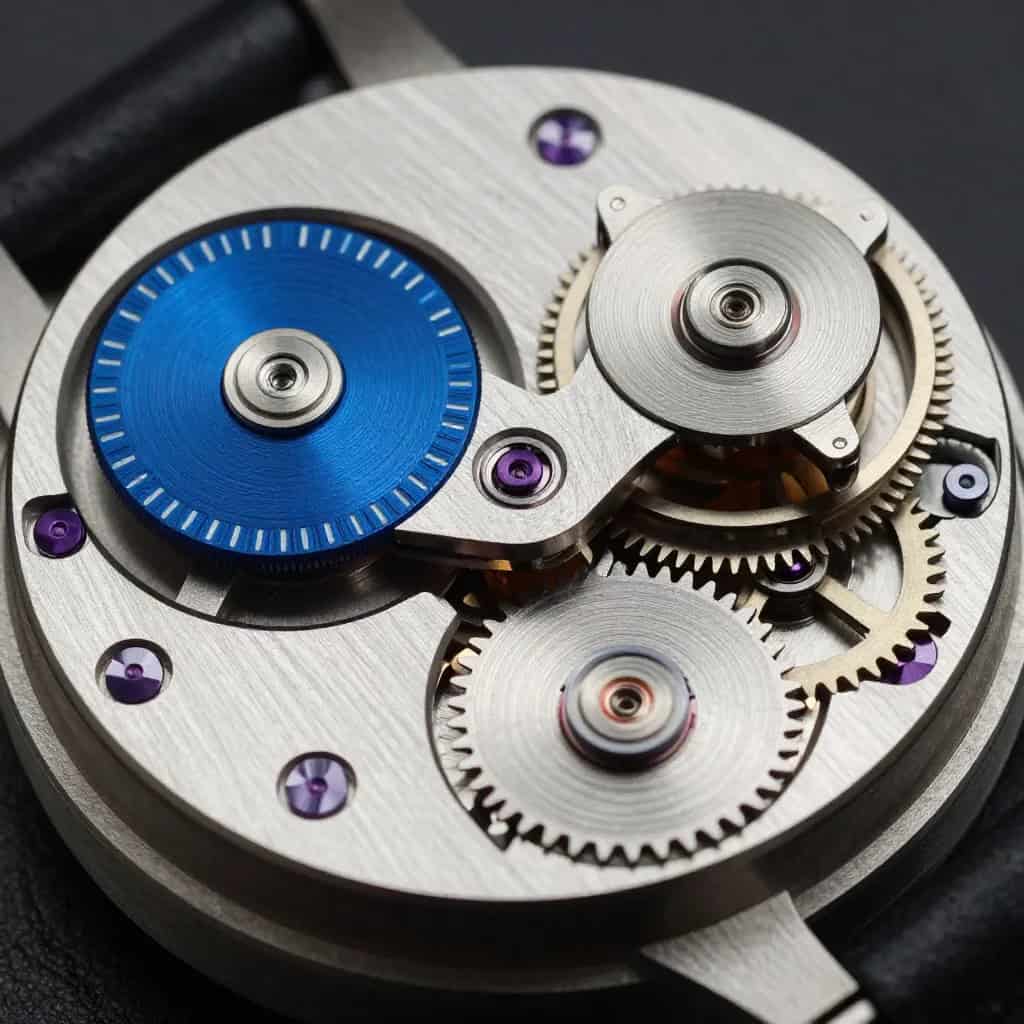
Understanding Chronograph Function
A chronograph essentially adds stopwatch capabilities to a standard watch movement. Pressing a trigger starts and stops the计时功能, while another button resets the hands to zero. The mechanism controlling these operations determines the tactile feedback, precision, and reliability of these functions. Enthusiasts often debate the merits of different control architectures, with column wheels traditionally favored for their refined operation, while cam switching offers practical advantages in modern production.
The Column Wheel Mechanism
The column wheel represents the classic approach to chronograph control. This cylindrical component with radial slots acts as a rotary switch, directing the chronograph functions through precise mechanical engagement. When actuated, the column wheel's protruding levers interact with other components to control the start, stop, and reset sequences.
Manufacturers like Patek Philippe, Rolex, and Audemars Piguet have utilized column wheel designs in their prestigious chronograph movements. The column wheel architecture allows for cleaner, more direct operation with distinct, crisp clicks between functions. This mechanism typically requires fewer parts to achieve the same functions compared to cam systems, resulting in potentially more reliable operation with fewer points of failure.
The Cam Switching Mechanism
Cam switching emerged as an alternative to column wheels, offering a different approach to chronograph control. This system uses a heart-shaped cam that rotates as buttons are pressed, with its profile determining which function engages. The cam's irregular surface pushes against levers that control the chronograph mechanism.
The cam switching system gained popularity for its robustness and simpler construction. Companies like ETA developed modular chronograph movements using cam switching that could be more easily integrated into different watch designs. The Valjoux 7750, perhaps the most famous chronograph movement ever made, employs a cam switching system that has powered countless watches across various price points.
Operational Differences
The most noticeable difference between column wheel and cam switching chronographs lies in their tactile feedback. Column wheels typically deliver more precise, defined clicks with clearer operational stages. The movement progresses through its functions with a mechanical purity that many enthusiasts appreciate.
Cam switching systems often produce a less distinct feel, with sometimes softer or less pronounced detents between functions. Modern implementations have significantly improved this aspect, with many high-end cam chronographs offering excellent tactile feedback. The functional reliability remains comparable between well-executed examples of both systems.
Manufacturing Complexity and Cost
Column wheels represent a higher level of manufacturing complexity. The precision required to cut the slots and create the proper radial angles demands substantial expertise and specialized tooling. Each column wheel often undergoes finishing by hand to ensure smooth operation.
Cam switching systems can be manufactured using more conventional techniques, allowing for greater economies of scale. This accessibility explains their prevalence in mid-range and affordable chronographs. The lower production costs make chronograph functionality available to a broader market, though at the expense of some refinement.
Conclusion
Both column wheel and cam switching chronographs serve their purposes effectively. Column wheels offer superior tactile feedback and represent traditional horological craftsmanship, while cam switching provides practical advantages in manufacturing cost and durability. Modern watchmaking has seen hybrid approaches that attempt to capture the best of both worlds. Ultimately, the choice between these mechanisms depends on priorities—whether refined operation or accessible functionality takes precedence in a particular timepiece. Both designs continue to evolve, ensuring the chronograph remains one of horology's most engaging and versatile complications.