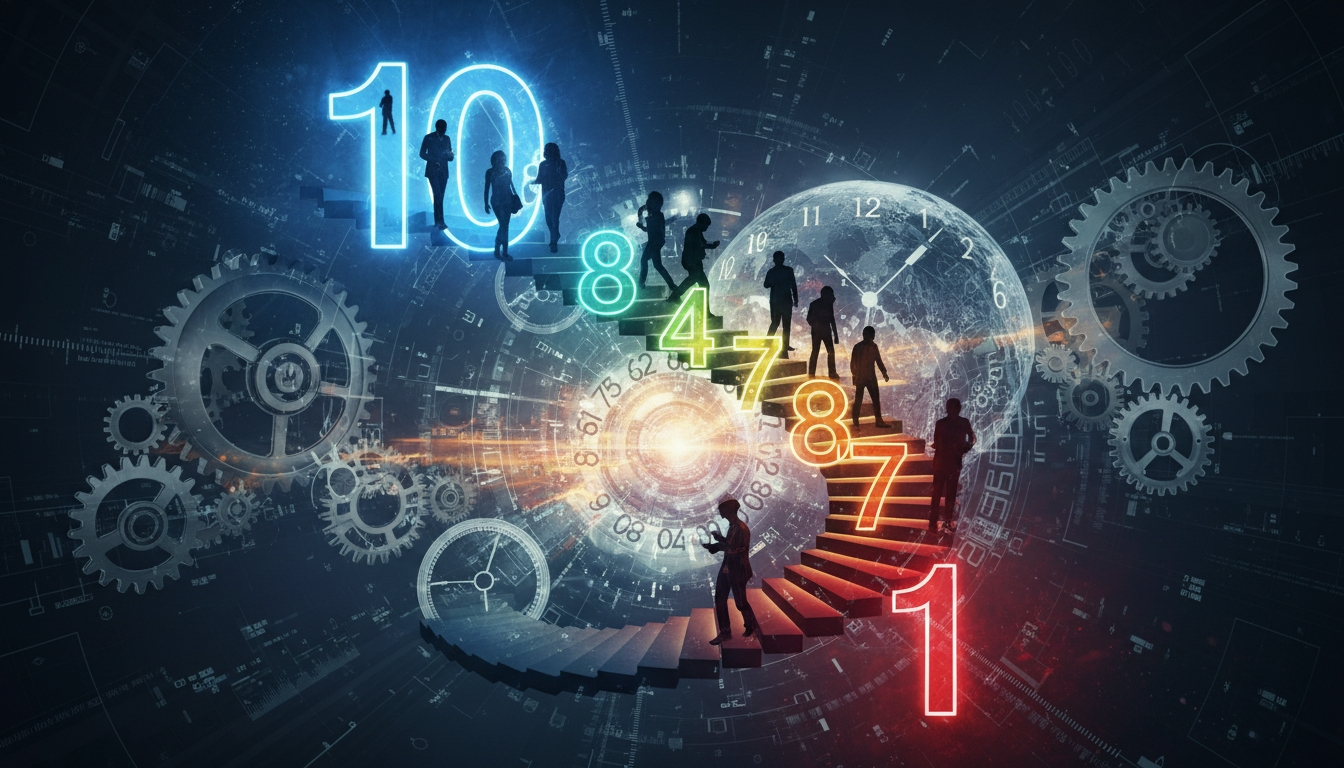
We've all been there: refreshing a webpage every five minutes, setting multiple alarms on our phones, or counting down the hours until a special moment arrives. Whether it's the release of a highly anticipated movie, a limited-time sale, or the countdown to midnight on New Year's Eve, our culture is obsessed with what I call "countdown culture" – the collective experience of waiting for something significant to unfold.
The Psychology Behind the Pause
At its core, countdown culture taps into fundamental aspects of human psychology. We're wired to anticipate future events, and the countdown mechanism gives structure to that anticipation. Psychologists call this "temporal framing" – organizing our experience around time markers.
There's something uniquely human about counting down. It creates shared experience, builds community, and intensifies emotions. The countdown transforms passive waiting into active participation. When we count down together, we're not just spectators; we're co-creators of the moment.
Commerce and the Clock
In the marketplace, countdown culture has become a powerful tool. Think about those "limited time only" sales that create urgency, or the carefully orchestrated product launches that build months of anticipation. Companies have mastered the art of countdown marketing to drive engagement and sales.
Consider the phenomenon of "drop culture" – when brands release limited quantities of products at specific times. The countdown becomes part of the experience, with consumers refreshing pages, joining virtual queues, and sharing their anticipation on social media. This isn't just marketing; it's community building through shared anticipation.
Entertainment's Countdown Effect
The entertainment industry has long understood the power of countdown culture. Movie studios build teaser campaigns that stretch over months, television shows create "event episodes" that everyone tunes in to watch simultaneously, and streaming services release episodes weekly to keep viewers coming back.
The countdown transforms entertainment from passive consumption to active participation. When we know exactly when something will be available, we're more likely to clear our schedules, gather with friends, and make the experience an event rather than just another item on our to-do list.
Personal Milestones and the Ticking Clock
Beyond commerce and entertainment, countdown culture shapes our personal lives. Birthdays, anniversaries, vacations – these significant events often begin their countdown weeks or even months in advance. The anticipation becomes part of the experience, with days marked off calendars and excitement building incrementally.
Even everyday moments get the countdown treatment. The "it's Friday" countdown that begins on Monday morning, or the vacation countdown that starts the moment we book our trip. These small countdowns help us break up time and create moments of joy in our daily routines.
The Pressure of the Clock
But countdown culture isn't without its drawbacks. The constant pressure of approaching deadlines can create anxiety rather than excitement. The "FOMO" (fear of missing out) that drives many countdown behaviors can lead to impulsive decisions and stress.
In a world where everything seems to be racing toward a release date or expiration, we sometimes lose the ability to simply be present. The countdown mindset encourages us to always be looking forward, sometimes at the expense of appreciating the moment we're in.
Finding Balance
Countdown culture isn't inherently good or bad – like many aspects of modern life, it's about finding balance. The shared anticipation and community building that countdowns can create are valuable. They help us mark time, celebrate milestones, and create shared experiences.
But we should also be mindful of the pressure and anxiety that can come with constant countdowns. Sometimes, it's okay to let things unfold without watching the clock tick away. After all, some of life's best moments happen when we're not counting down to anything at all.
The Final Countdown
As our lives become increasingly scheduled and digitized, countdown culture will likely continue to evolve. New technologies will create new ways to mark time and build anticipation. But the fundamental human desire to share moments, build community, and celebrate together will remain.
So the next time you find yourself refreshing a page or setting an alarm for a countdown, take a moment to appreciate the shared experience. After all, in our increasingly fragmented world, these moments of collective anticipation are more valuable than ever.